
Introduction
Urban India is facing a growing waste crisis. Increasing population, rapid urbanization, and changing consumption patterns have led to massive waste generation. However, the real problem is not waste itself — it is poor segregation at the source.
At ASEL Waste Management Services, we believe that segregation at the household and institutional level is the foundation of sustainable waste management.
What is Waste Segregation at Source?
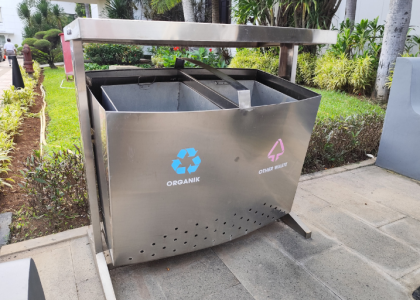
Waste segregation means separating waste into different categories such as:
- Wet waste (organic waste)
- Dry waste (plastic, paper, metal)
- Hazardous waste
- Biomedical waste
When waste is separated properly, recycling becomes efficient and landfill dependency reduces significantly.
Why It Matters
1️⃣ Reduces Landfill Burden
Proper segregation ensures recyclable materials are recovered instead of dumped.
2️⃣ Improves Recycling Efficiency
Clean, sorted waste increases the quality of recyclable materials.
3️⃣ Reduces Environmental Pollution
Segregation prevents soil and water contamination.
4️⃣ Supports Circular Economy
Materials are reused and reintegrated into production cycles.
How ASEL Implements Waste Segregation
- Awareness campaigns
- Color-coded bin systems
- Institutional waste management planning
- Monitoring & compliance reporting
Sustainable cities start with responsible citizens.